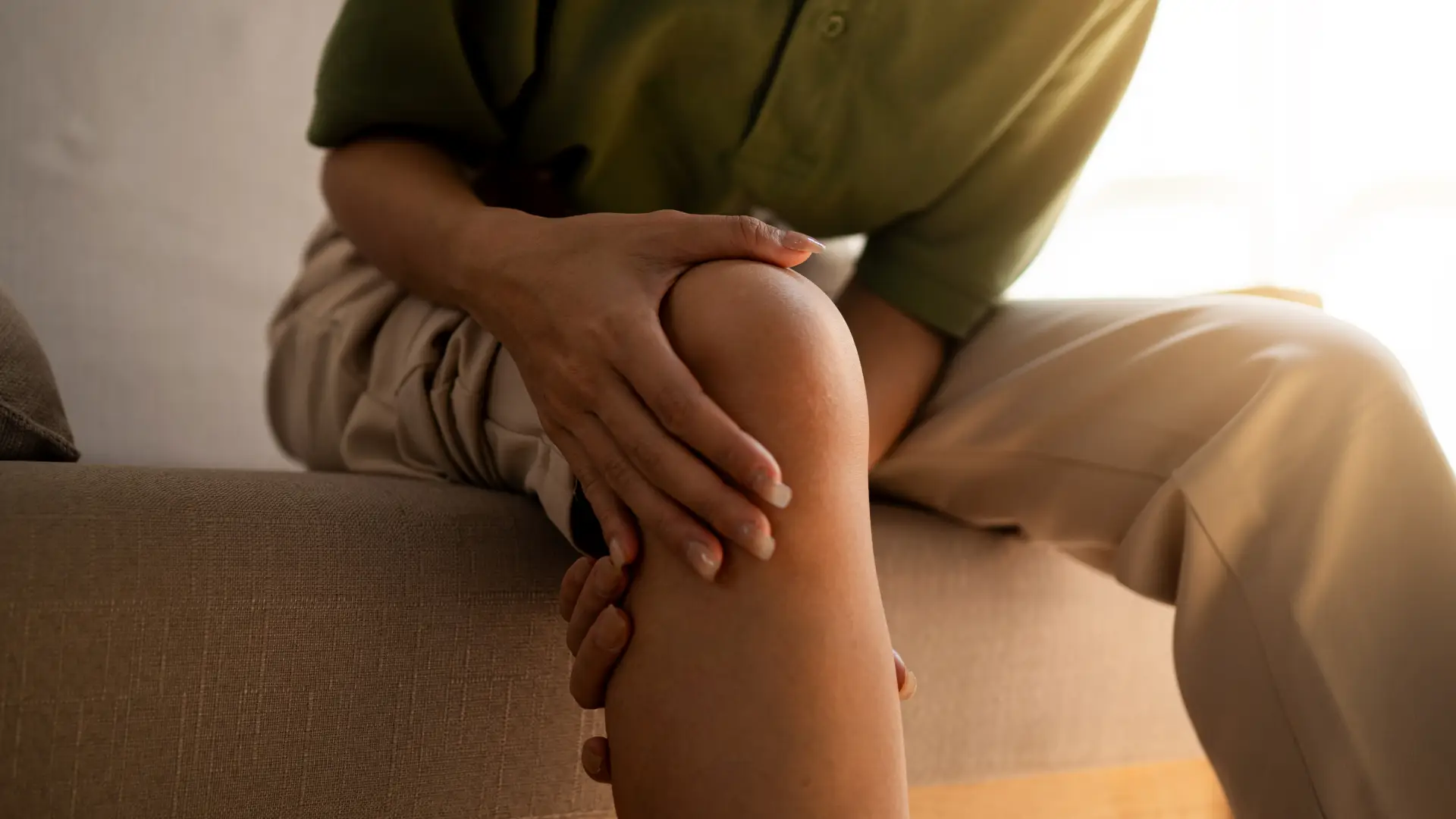
What Causes Knee Pain in Women? Why Osteoarthritis Affects Them Differently
How osteoarthritis affects women differently, including the roles of anatomy and menopause, and which treatment options may help.
Low-dose radiotherapy for osteoarthritis may be worth asking about if physio, exercise and painkillers have not helped enough. Carefully aimed X-rays, using a small fraction of the dose used for cancer, aim to calm the inflammation around a painful joint. Treatment is six short outpatient sessions over two to three weeks. No anaesthetic or cuts are needed. Dr Richard Shaffer is a Consultant Clinical Oncologist, President of the International Organisation for Radiotherapy for Benign Conditions, and has treated over 3,500 patients.
Dr Shaffer treats Osteoarthritis across the body. Tap an area to learn more.

01 / 04
Pain is often the first sign of osteoarthritis, and the shoulder is one of the joints it can affect. It tends to build with use, such as reaching overhead or carrying shopping, and ease with rest. Over time it can become more constant, and some people find it starts to disturb their sleep.
02 / 04
Stiffness often shows up in the elbow and arm first thing in the morning or after sitting for a while. The joint feels reluctant to move at first, then gradually loosens up once you get going. It can feel as though the arm needs a few minutes to warm up before it will do what you ask.
03 / 04
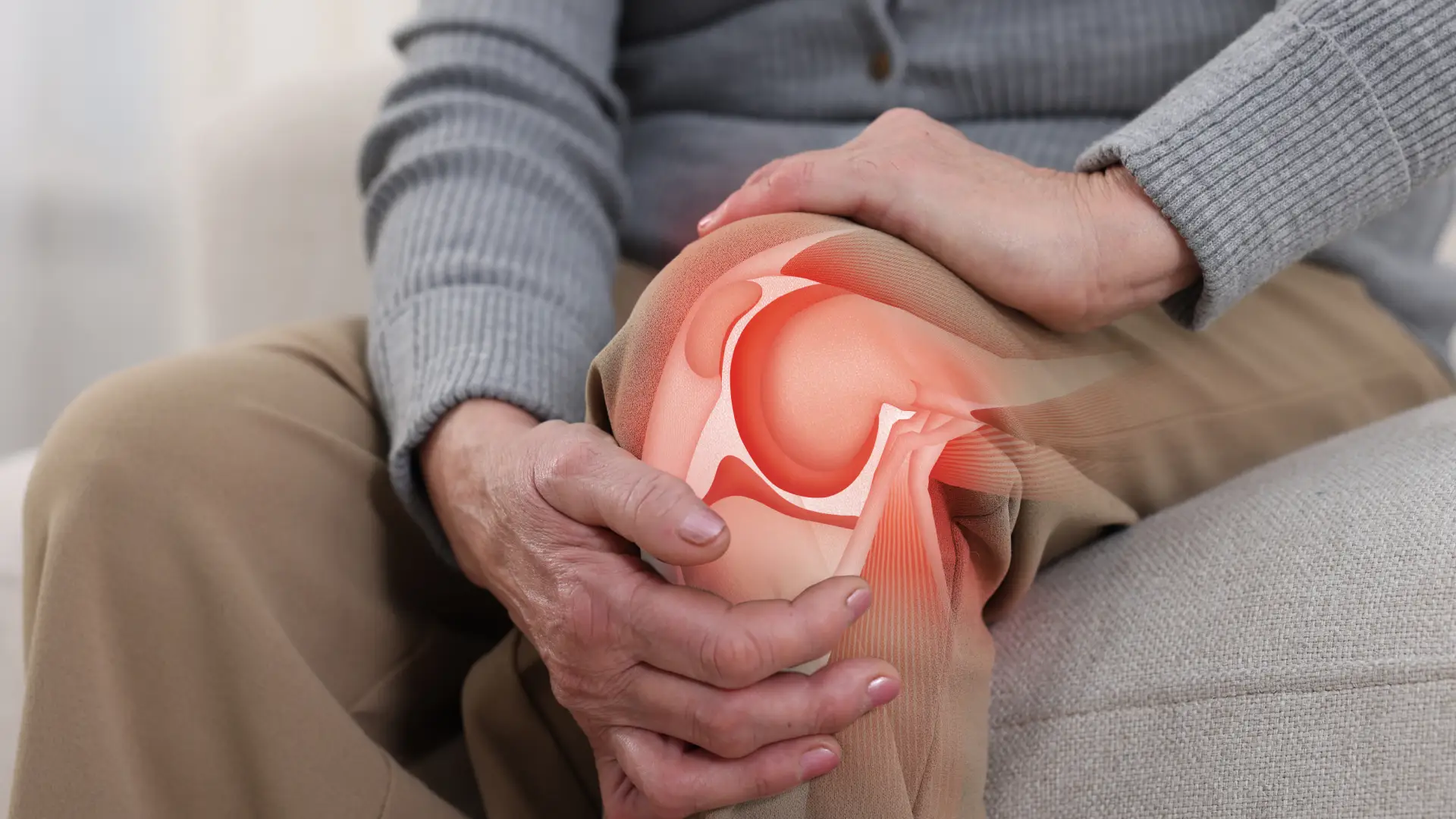
Knees can swell, often after activity or towards the end of the day. The swelling comes from irritation in the tissue around the joint, so the knee may look puffy and feel warm or tender when you press it. Many people find it comes and goes, which makes it easy to put up with for longer than they should.
04 / 04
As osteoarthritis develops, a joint can lose some of its range of movement. Bending the knee, kneeling or sitting on the floor may feel more limited than before, and you may notice a grinding or crackling feeling when the joint moves. These changes tend to arrive gradually, so many people adapt without noticing.
Osteoarthritis progresses at different rates. How your joint feels now helps determine whether to try self-care, consider radiotherapy, or explore other options.
Assessment & self-care
Radiotherapy
Radiotherapy
Other options, including surgery
Radiotherapy for osteoarthritis usually has three steps. Dr Shaffer will guide you through each one himself. It is normally considered once exercise, weight management and medication or injections have not eased the pain enough. The first step is only a conversation, with no obligation to continue.
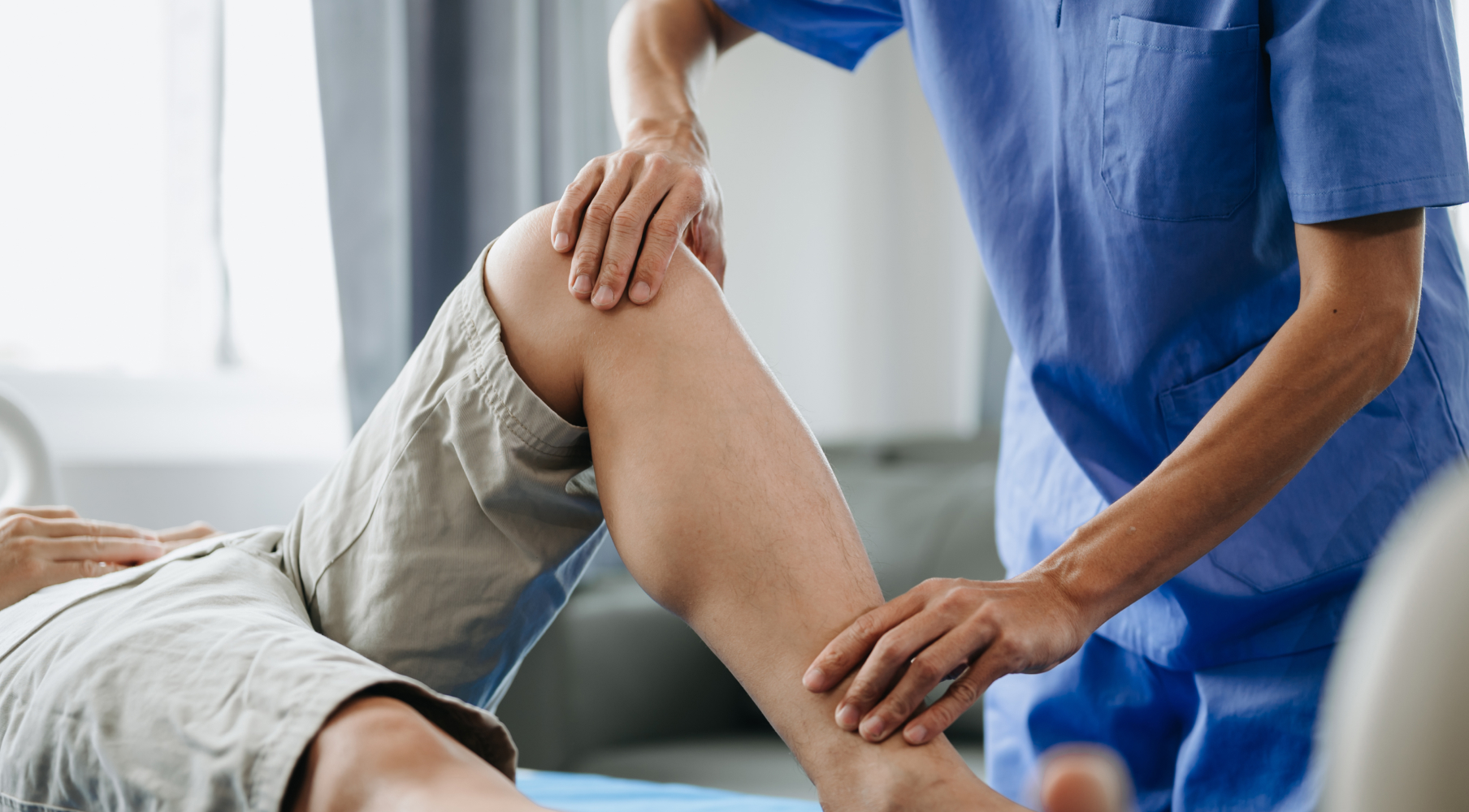
You start by telling Dr Shaffer how osteoarthritis affects your life. Next, he will examine the joint and any scans or X-rays you have. He explains what radiotherapy can and cannot do, including the possible side effects and the alternatives. If radiotherapy isn't suitable, he will tell you. If it is likely to help, and you want to go ahead, you sign a consent form.

A planning CT scan lets the team map exactly where the radiation should go. The team marks the treatment area, so every session is set up the same way and the dose lands on the painful joint. Treatment usually starts within one to two weeks.
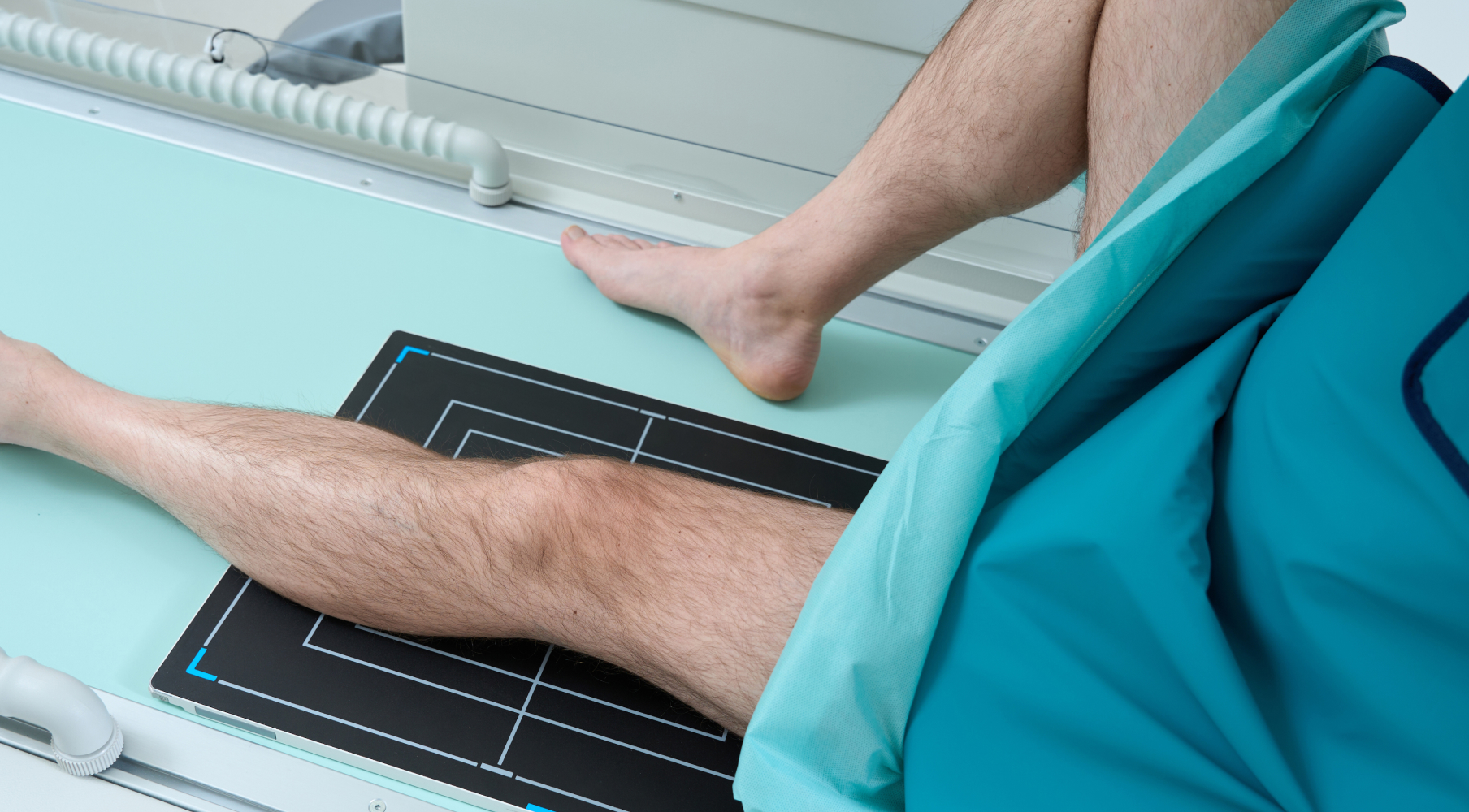
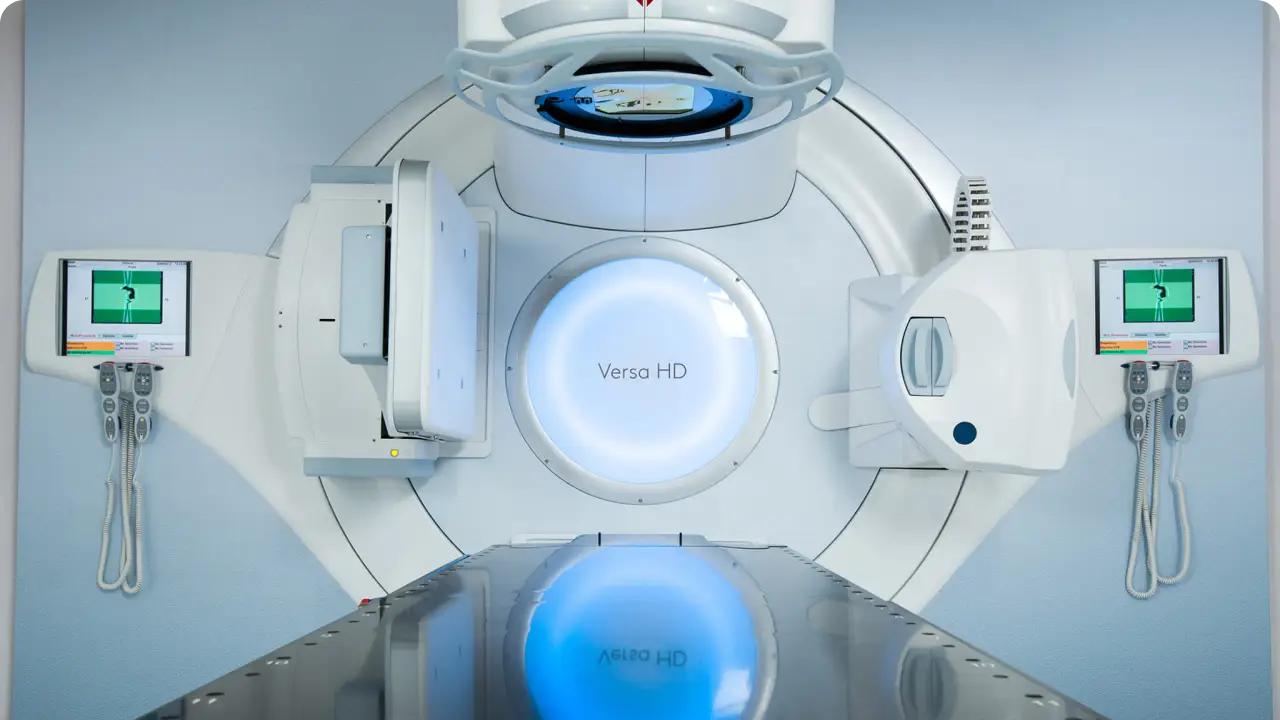
Treatment is six short sessions over two to three weeks, usually on alternate weekdays. Each visit takes around 10 minutes, and the radiation itself lasts a minute or two. You will lie down in a comfortable position, and most people feel nothing. You can usually drive home and go about your day. About three months later, Dr Shaffer reviews your progress and assesses whether a second course would help.
Dr Shaffer assesses patients in person at five locations nationwide. If travel is difficult, your first consultation can be held by video.
Treatment is available at 16 centres across the UK.
View Locations
This first visit is a proper conversation about your joint. By the end, you should know whether radiotherapy is suitable for you and what to expect next. At your first appointment, Dr Shaffer will:
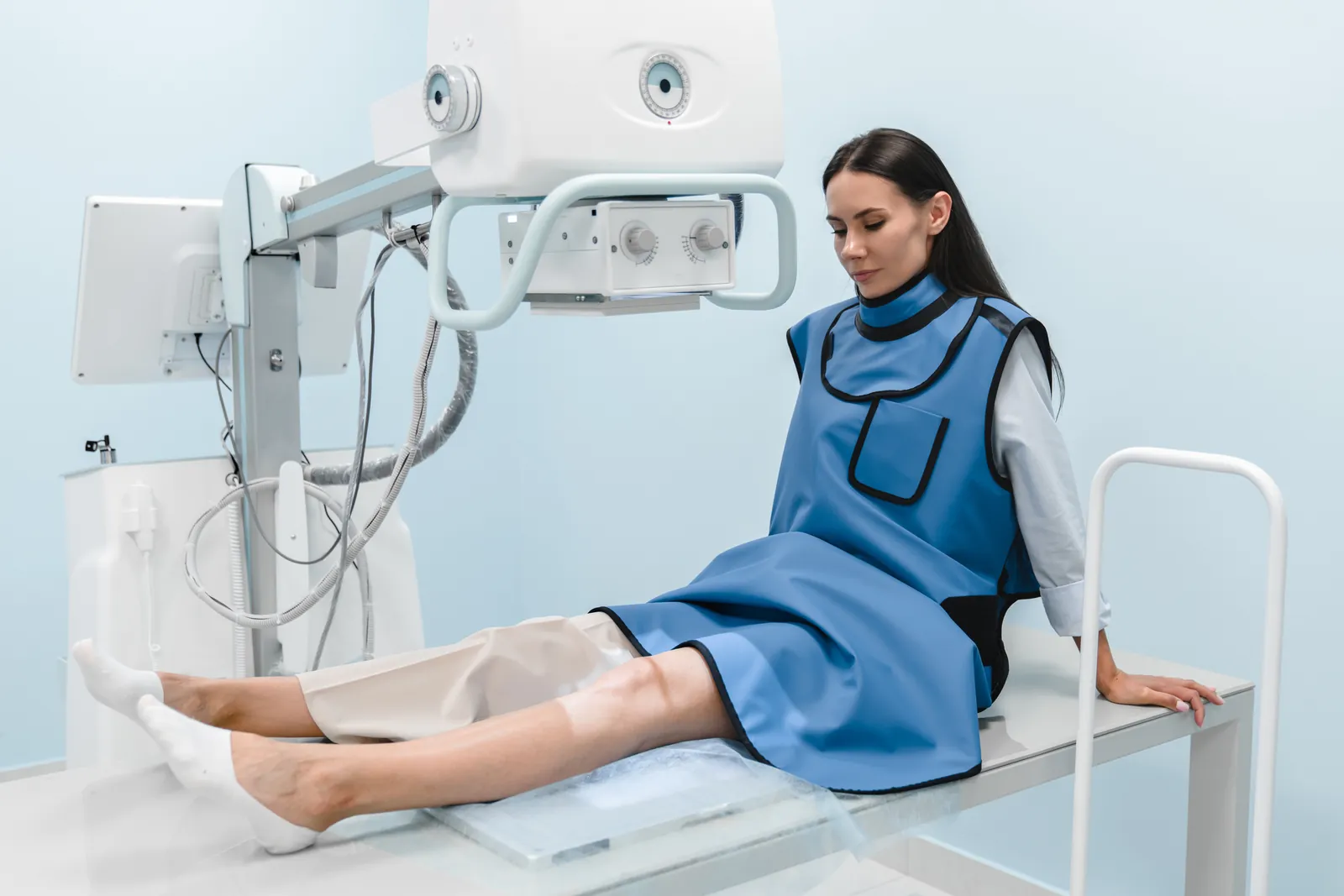
How osteoarthritis affects women differently, including the roles of anatomy and menopause, and which treatment options may help.
Why age alone doesn't rule out radiotherapy, and how younger patients, including those in their 50s, are assessed.

What to consider when physio and painkillers have stopped helping, but surgery is still some way off, and how radiotherapy compares.
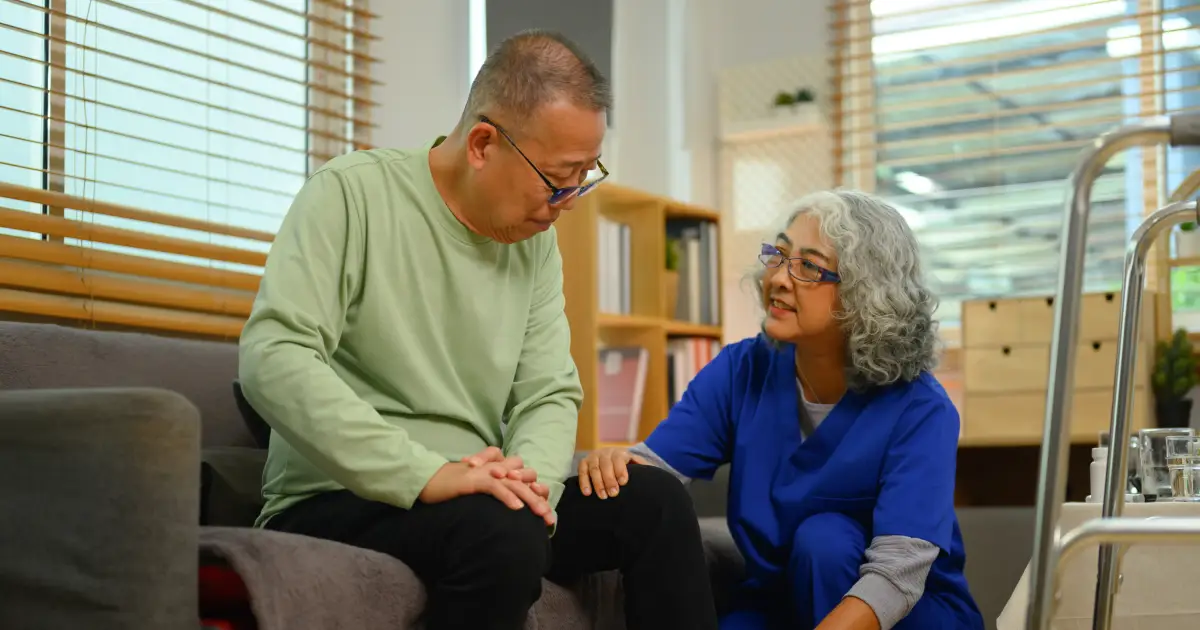
Practical, evidence-based ways to ease osteoarthritis at home, from movement and sleep to weight and pacing.
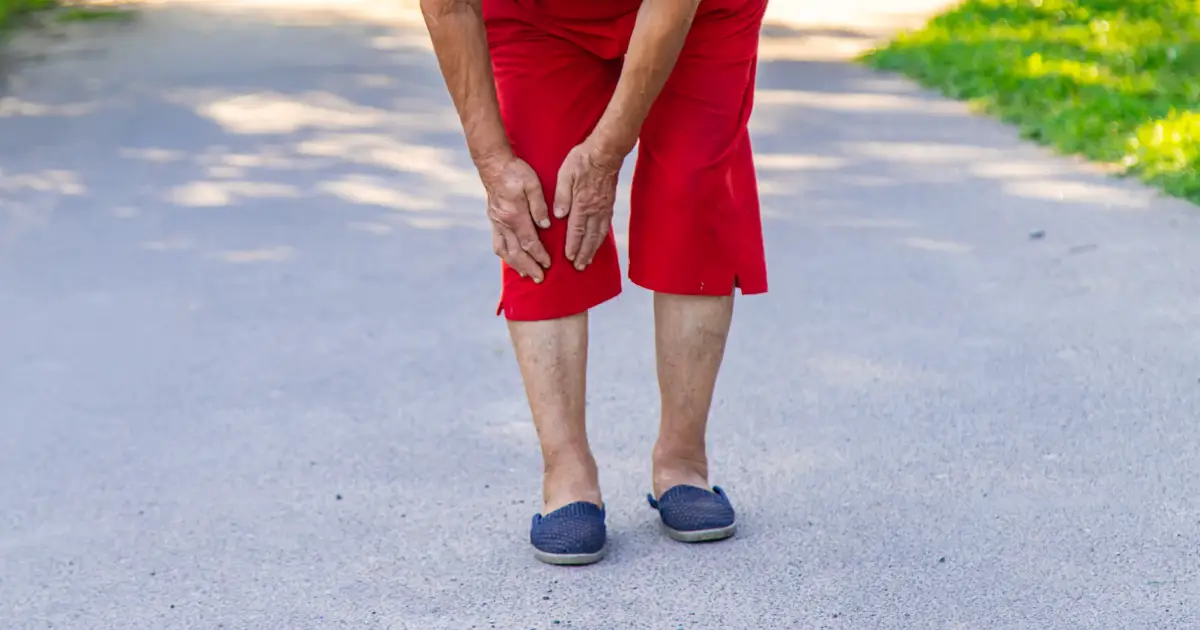
Dr Shaffer reviews the trial evidence on radiotherapy for the knee, covering how often it helps and which side effects to expect.
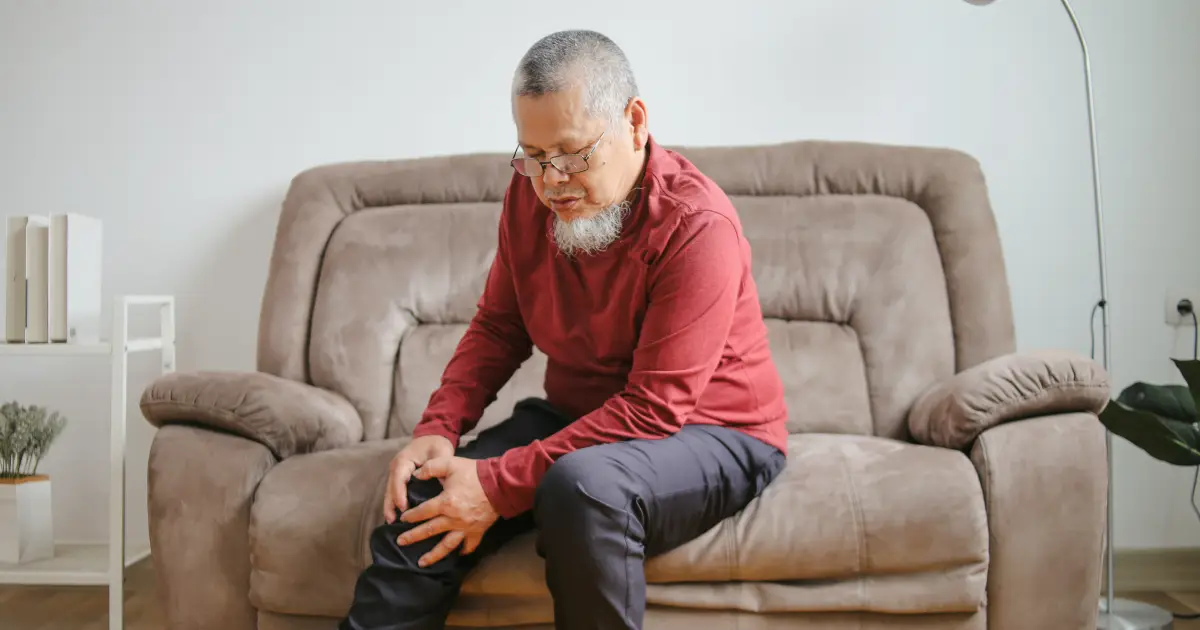
Explore non-surgical options before agreeing to a knee replacement, from physiotherapy to radiotherapy.

The full osteoarthritis treatment ladder in the UK, from self-care and painkillers to injections and radiotherapy, ending with joint replacement.
A clear guide to the many types of arthritis, why osteoarthritis is the most common, and how it usually develops.
A look at the growing body of randomised trial evidence for low-dose radiotherapy and the pain relief it can bring.

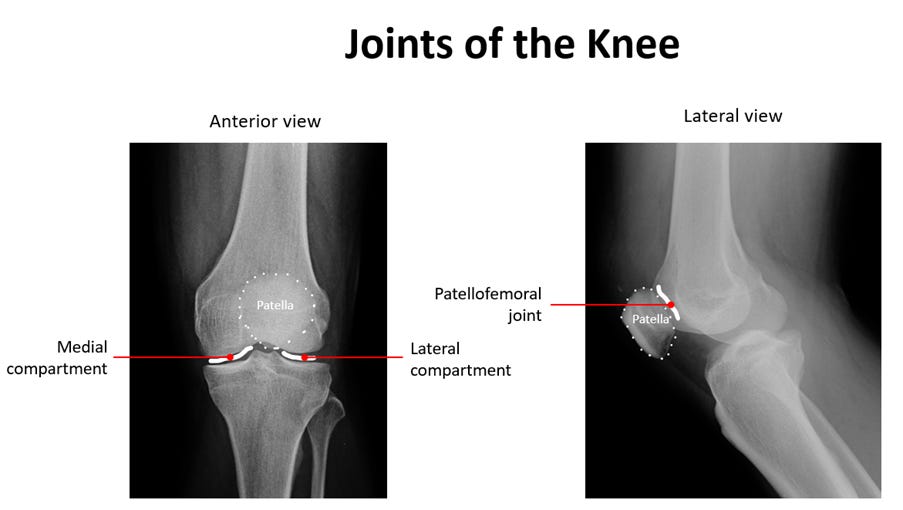
How knee osteoarthritis usually shows itself, from pain on movement to reduced mobility, and what you can do about it.

Who tends to do best with radiotherapy for osteoarthritis pain, and when it makes sense to consider it.

Watch a replay of Dr Shaffer's live session on how low-dose radiotherapy can be used for osteoarthritis.
The announcement of low-dose radiotherapy as a treatment option for osteoarthritis pain in the UK.
It is thought to calm inflammation in and around the joint. Tissues around an arthritic joint can become irritated, adding to pain and swelling. Low-dose radiation appears to settle that activity. The exact mechanism is still being studied. The aim is to ease pain and help you move more comfortably, not to rebuild damaged cartilage.
Radiotherapy is used for osteoarthritis in the knee, hip, hand and base of the thumb, as well as the foot and ankle, elbow and shoulder. At your consultation, Dr Shaffer will assess the joint that troubles you most and advise whether it is a good candidate. If more than one joint hurts, he will go through the options with you.
It is mainly considered for people whose pain has not improved enough with exercise, weight management, painkillers or injections. Many also want to avoid or delay surgery. It is not right for everyone. Age is one factor among several, and Dr Shaffer will consider it alongside your general health and how much the joint affects you. An initial consultation will confirm whether you are suitable for treatment.
A standard course is six short sessions over two to three weeks, usually on alternate weekdays. Each appointment takes around 10 minutes, and the radiation itself lasts a minute or two. You lie comfortably while the machine is positioned. Most people feel nothing, and you can usually drive yourself home and go about your day as normal.
It varies. Some people feel better soon after finishing, while others notice improvement over several weeks to a few months. Dr Shaffer reviews your progress about three months after treatment. If your pain has gone, you may not need more. If some pain remains, a second course of six sessions is often recommended.
Research suggests it helps many people, but not everyone, and the evidence is still developing. A 2021 German analysis of 970 patients found pain reduced in about 2 out of 3 of the joints treated. In a 2025 trial presented at the ASTRO annual meeting, 114 people with knee osteoarthritis received either low-dose radiotherapy or a sham (dummy) treatment. At four months, 7 out of 10 joints in the low-dose group had improved, compared with just over 4 out of 10 in the sham group. An earlier, smaller Dutch trial of 55 people found no difference from sham treatment. Dr Shaffer will explain what this means for your joint.
Treatment is generally well tolerated, and the doses are low. The most common effects are mild and short-lived: slight redness or dryness of the skin over the joint, and occasional tiredness. Some people find their pain feels a little worse for a few weeks before it improves. Dr Shaffer will go through any longer-term risks with you before you decide, taking your age and general health into account.
No. Osteoarthritis is a long-term condition, and radiotherapy does not reverse changes already in the joint. Its purpose is to reduce pain and inflammation so that you can move more comfortably and stay active. Exercise and maintaining a healthy weight remain important.
Yes. Radiotherapy can be used alongside exercise, physiotherapy, painkillers and injections. People often consider it when trying to avoid or delay a joint replacement. Dr Shaffer will discuss how it fits with any surgery you may need in future.

Radiotherapy Expert
Dr Shaffer has spent over fifteen years treating benign conditions with low-dose radiotherapy, from Dupuytren's and Ledderhose disease to osteoarthritis and keloids. Book a consultation to discuss your symptoms and whether treatment is right for you.
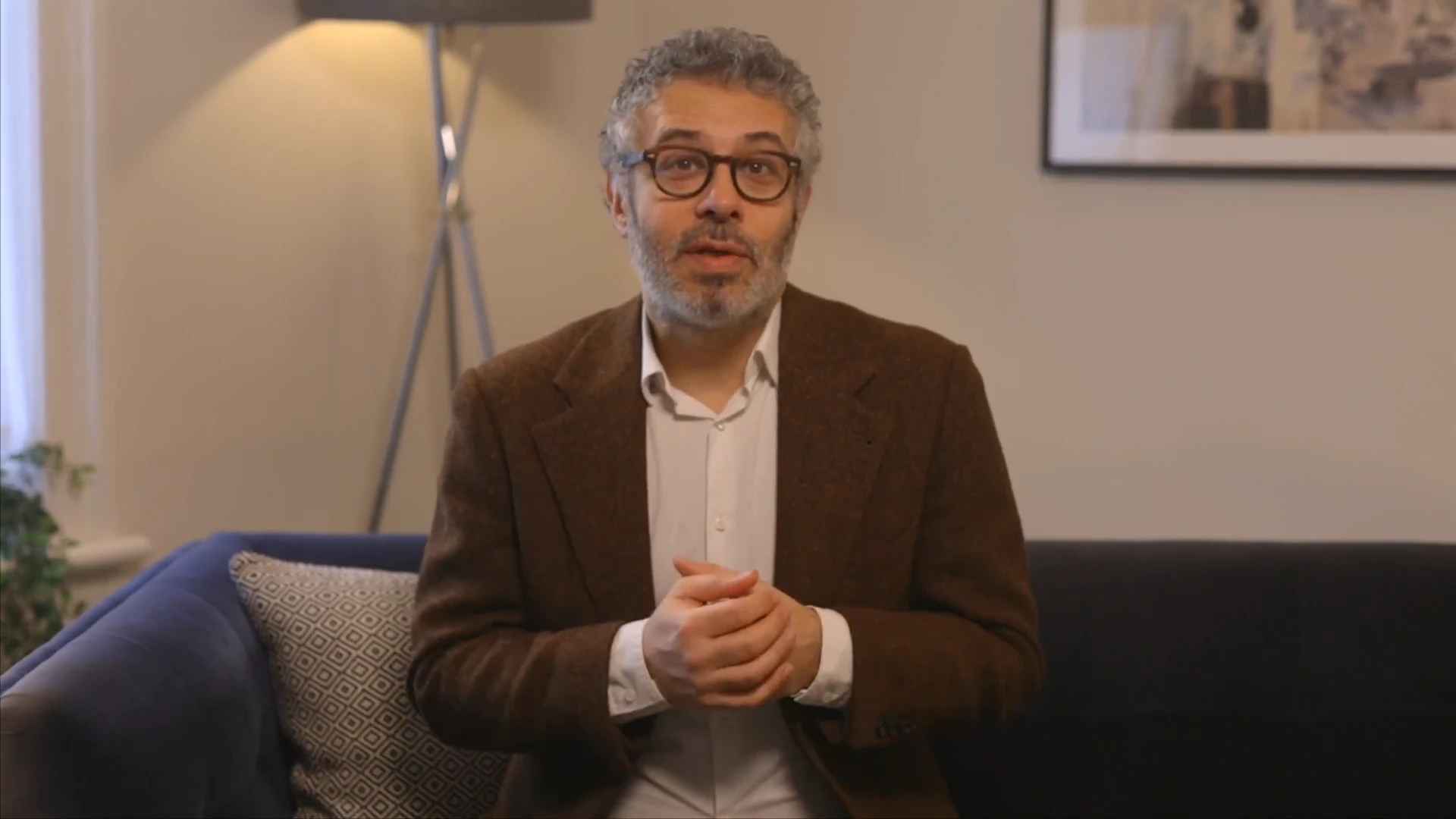
Dr Richard Shaffer
30 min
Theralife Clinics currently accepts self-pay patients only, so all consultations and treatment are paid for directly. Dr Shaffer charges the following consultation fees:
If you see Dr Shaffer at Theralife Clinics, planning and radiotherapy treatment will normally both take place at this location.
Our team aims to respond within one working day.
Sorry, that did not send. Please call 07584 532397 or email info@dupuytrensuk.com.
Thank you. Dr Shaffer's team will be in touch shortly.