Within a few weeks
Most Cases Settle
With rest, pressure protection and simple painkillers, the inflammation often calms down within a few weeks.
When a swollen, aching bursa (a small, fluid-filled sac) hasn't improved with rest, physiotherapy or injections, low-dose radiotherapy can offer an alternative. It's a painless outpatient treatment that targets inflammation in and around the bursa, with no needles or recovery time.

Radiotherapy may be worth discussing if these sound like you:
If two or more apply, an assessment can tell you whether radiotherapy could help. One important exception: if a joint suddenly becomes hot, red and swollen, especially with a fever, it may be infected and needs urgent medical advice. Radiotherapy is only used for bursitis that isn't infected.
A bursa acts as a cushion where tendons, muscle and skin glide over bone. It can become inflamed through repeated pressure, overuse, injury or an underlying inflammatory condition. When that happens, it can swell and become tender, usually around the shoulder, hip, elbow or knee. Many cases clear after a few weeks of simple care. Others can settle and then flare again, or never fully go away. In the hip, the pain often involves the tendons beside the bursa as well. This is one reason it can linger.
Within a few weeks
With rest, pressure protection and simple painkillers, the inflammation often calms down within a few weeks.
Around three months
The soreness fades, then comes back with activity, or the ache never quite disappears.
Three to six months or more
If months of sensible self-care haven't helped, it's worth getting a specialist opinion.
Bursitis can affect several areas of the body. Tap an area to learn more.

01 / 06
Shoulder
Shoulder bursitis is a sore, swollen sac in the top or outer part of the shoulder. It often causes an ache that gets worse when you lift your arm or reach overhead.
It can also make lying on that side uncomfortable at night. Rest and changes to activity help many people, but it can flare up again when the shoulder is used hard.
02 / 06
Elbow
Elbow bursitis causes a soft swelling over the pointy tip of the elbow. It is usually tender when pressed, and leaning on hard surfaces can bring it on.
The swelling may ease with rest and padding, but it can return if the elbow keeps being knocked or pressed. Dr Shaffer will check the area before any treatment is discussed.
03 / 06
Hip
Hip bursitis is felt on the outer side of the hip, sometimes spreading down the outside of the thigh. Lying on that side, climbing stairs or standing for a long time can make it sore.
Some people also notice pain near the groin. Several tendons and bursae sit close together in the hip, so a proper assessment helps tell the causes apart.
04 / 06
Knee
Knee bursitis causes swelling and tenderness over the kneecap or on the inner side of the knee. Kneeling for long periods is a common cause.
The knee may feel tight or puffy, especially first thing in the morning. If it is also hot or you have a fever, please contact your GP promptly.
05 / 06
Heel and foot
Heel bursitis is felt at the back of the heel, near the Achilles tendon. Pain is often worse when you stand on tiptoe, walk uphill or wear firm shoes.
Bursitis in the ball of the foot can cause a similar ache under the front of the foot. Supportive footwear and gentle changes to activity help many people.
06 / 06
Buttocks
Ischial bursitis is felt near the lower sitting bone, in the buttock. It is often painful when sitting on hard surfaces or for long periods.
Sometimes called "weaver's bottom", it is common in people who sit for long periods, or cycle or row. Dr Shaffer will check the area and talk you through your options.
There are several ways to treat an inflamed bursa. The right one for you depends on the joint involved, how long you've had symptoms and what other treatments you've already tried.
The usual first steps are resting the joint, protecting it from pressure, using ice and simple painkillers, and returning to activity gradually.
A doctor may draw off excess fluid with a needle, and a steroid injection can reduce swelling and pain. The benefit doesn't always last, and injections aren't suitable if the bursa is infected.
If symptoms have lasted for three months or more despite other treatments, low-dose radiotherapy might be an option. In one study of hip pain, people who got even brief relief from a steroid injection were more likely to respond to radiotherapy.
Reserved for severe or repeated bursitis, when the bursa may be drained or removed. It's rarely needed.
Radiotherapy for bursitis uses carefully targeted X-rays at a dose far below the one used in cancer care. It's thought to calm inflammation in the tissues around the joint, easing pain and swelling.
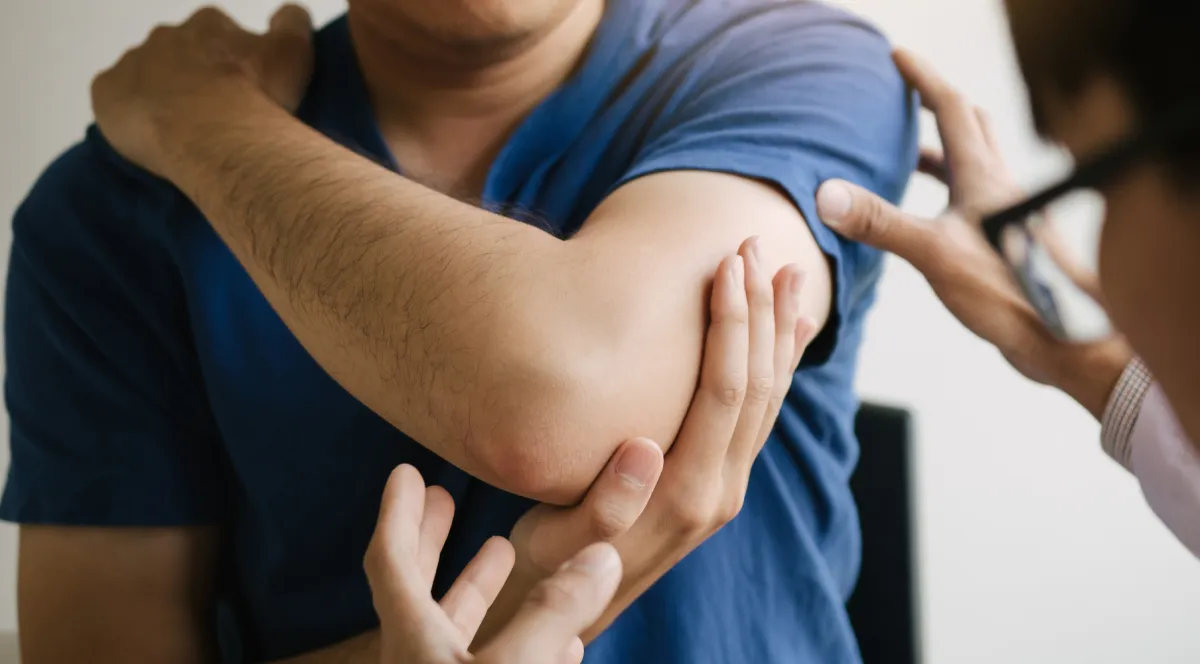
Dr Shaffer asks about your symptoms and what you've tried so far. Next, he examines the joint, reviews any scans and looks at your injection history. He then gives you an honest view on whether radiotherapy is likely to be worthwhile, or whether another option would suit you better.
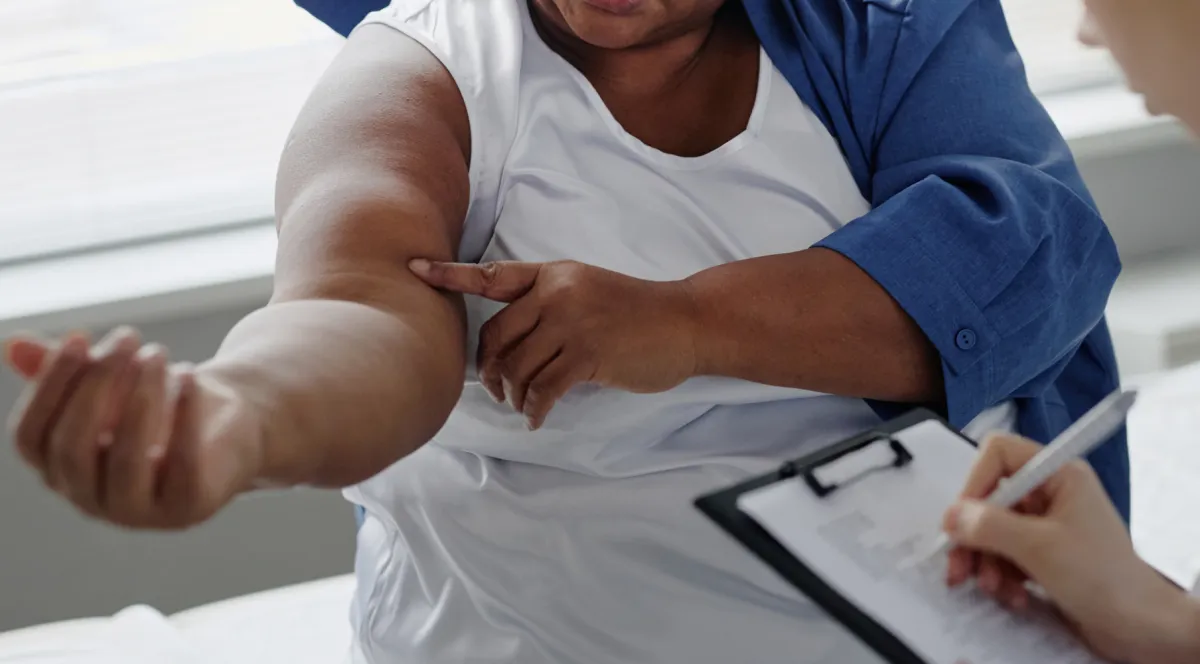
If you decide to go ahead, your treatment is planned so the beam only reaches the tissue around the painful joint.
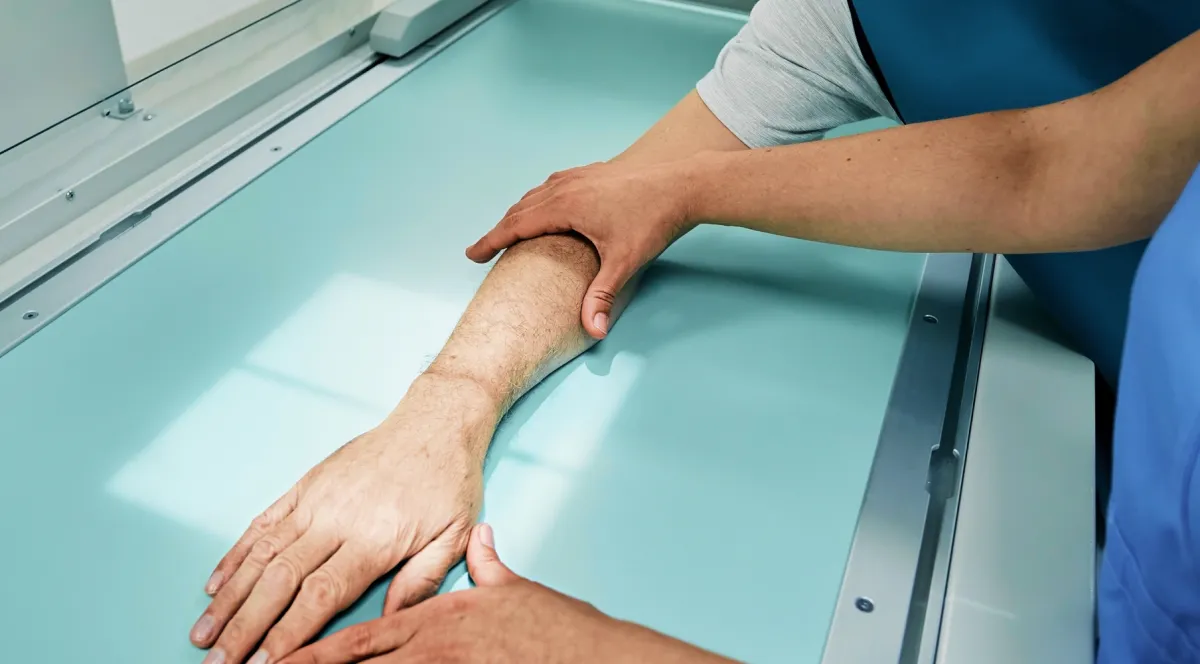
You'll have a short series of outpatient sessions, usually about six over two to three weeks. You sit or lie comfortably and won't feel anything while the beam is on.
Every review below is a genuine Google review from patients Dr Shaffer has been in the past, exactly as it was written. They are here so you can understand what a consultation and treatment are actually like from people who have experienced them.
4.9
★★★★★
300+ Google reviews

3 months ago
★★★★★
I had an initial consultation with Dr Shaffer today. The appointment was on time, very informative and reassuring. Dr Shaffer is clearly a leading expert and I would have no hesitation recommending him to my family and friends.

11 months ago
★★★★★
Within 20 minutes of completing an online enquiry form Dr Shaffer had called me personally, discussed my condition and made an appointment to see him. He listened, gave me time to discuss every aspect and after a thorough examination gave me advice about whether I needed treatment at this time or not. I never felt under any pressure and completely trusted his expert opinion. At last somebody who took notice and understood the condition. I would highly recommend his care.

9 months ago
★★★★★
I received radiotherapy treatment for Dupuytrens Contracture on my right hand which ended in March 2023. I’m happy to say that the progression of Dupuytrens has ceased in my right hand and no more nodules or contractures have appeared. Dr Shaffer and his team were very helpful and professional throughout and I would recommend their services gladly.

a year ago
★★★★★
A lovely, friendly, efficient hospital. My appointment was on time. Dr Shaffer was welcoming and kind and thoroughly detailed his findings and the approach to my treatment. My schedule for the treatment was limited so every effort was made to accommodate me within my timeframe. The only surprise for me was the lack of parking at the hospital, so if you're taking your car it would be a good idea to research parking facilities within the area before your appointment.

5 years ago
★★★★★
Despite the Covid-19 situation I was dealt with quickly and efficiently by all staff. Dr Shaffer was on-time and dealt with the examination of hands/feet. He was able to rely on records of a prior visit in 2011 to help with diagnosis (that I had lost). He was able to recommend treatment and courses of action - whether through him or colleagues. He was very helpful.
10 months ago
★★★★★
I had treatment on my left hand a year ago by Dr Shaffer and his team. All good so far and the nodules do feel much softer. Unfortunately it has now started in my right hand but I'm hopeful the treatment will work as well on this hand. Dr Shaffer is really warm and personable. He really does help to put your mind at rest. His team are very friendly and kind too. Would highly recommend.
6 months ago
★★★★★
Since receiving Radiotherapy treatment for Dupuytrens in my left hand, in 2022, there has been no noticeable growth in the cords and nodules present, and no signs of contraction. Dr Shaffer was swift to arrange my initial appointment and examination, and the therapy schedule was set up not long after. I am very happy with the whole experience from start to finish.
6 months ago
★★★★★
Richard treated my Dupuytrens in 2021. At the time, I was developing a contracture. Treatment was easy and a complete success - no contractures and a fully functional hand.
11 months ago
★★★★★
My consultation with Dr Richard Shaffer was incredible. I have a severe case of Ledderhose disease and Dupuytrens. Dr Shaffer showed so much concern and interest in my case. For the first time in 51 years I am beginning to feel confident that someone may be able to assist me with this disease. It was an inspiration and a pleasure to meet with Dr Shaffer. Thank you so much.
11 months ago
★★★★★
Professional operation with an initial consultation with Richard Shaffer, who is very knowledgeable and experienced, followed by two sets of radiotherapy on both hands. My dupuytrens improved markedly so seeking help was worth the expense. Avoid pretenders and head to those that know what they're doing potentially saving yourself from surgery.
Dr Shaffer assesses patients in person at five locations nationwide. If travel is difficult, your first consultation can be held by video.
Treatment is available at 16 centres across the UK.
View Locations
Your first appointment is about finding out where you stand. By the end, you'll know if radiotherapy is likely to help your bursitis and what the sensible next step is.
The research is strongest for bursitis around the hip and for persistent shoulder pain. Hip bursitis is often called trochanteric bursitis or greater trochanteric pain syndrome. There's less evidence for other joints, such as the elbow, knee or heel. Dr Shaffer will examine you to decide whether your joint is suitable for treatment and will be honest about what the evidence shows.
No. You won't feel the beam. Most people carry on with their usual activities straight away.
Expect roughly six short visits over two to three weeks. The exact schedule is agreed at your consultation. If the pain has only partially eased, a second series is sometimes added. In the 2024 hip study, 73% of hips that had two series did well, compared with 42% after one.
Improvement tends to build gradually after your course ends rather than straight away. Results are normally assessed around two to three months later.
The dose is a small fraction of what's used in cancer treatment and only targets the painful area. Radiation carries a small long-term risk, which is why treatment is mainly offered to adults over 40 and isn't given during pregnancy. In the 2024 hip study, about one in five people had a temporary flare of pain during treatment. Dr Shaffer will go through the risks that apply to you.
Possibly. In one study of hip pain, people who had short-term relief from a steroid injection were more likely to respond to radiotherapy than those who didn't. However, the study was small and looked back at past patients. Dr Shaffer will review your injection history with you.
A bursa that swells quickly and feels hot, especially with a temperature or shivering, may be infected. It needs prompt medical assessment and is often treated with antibiotics. Radiotherapy is only considered for bursitis that isn't infected, so please see your GP or call NHS 111 first.
This use of radiotherapy isn't routinely available on the NHS, so it's usually arranged privately. You don't need a GP referral. Just book online or send an enquiry and a member of our team will contact you.

Radiotherapy Expert
Dr Shaffer has spent over fifteen years treating benign conditions with low-dose radiotherapy, from Dupuytren's and Ledderhose disease to osteoarthritis and keloids. Book a consultation to discuss your symptoms and whether treatment is right for you.
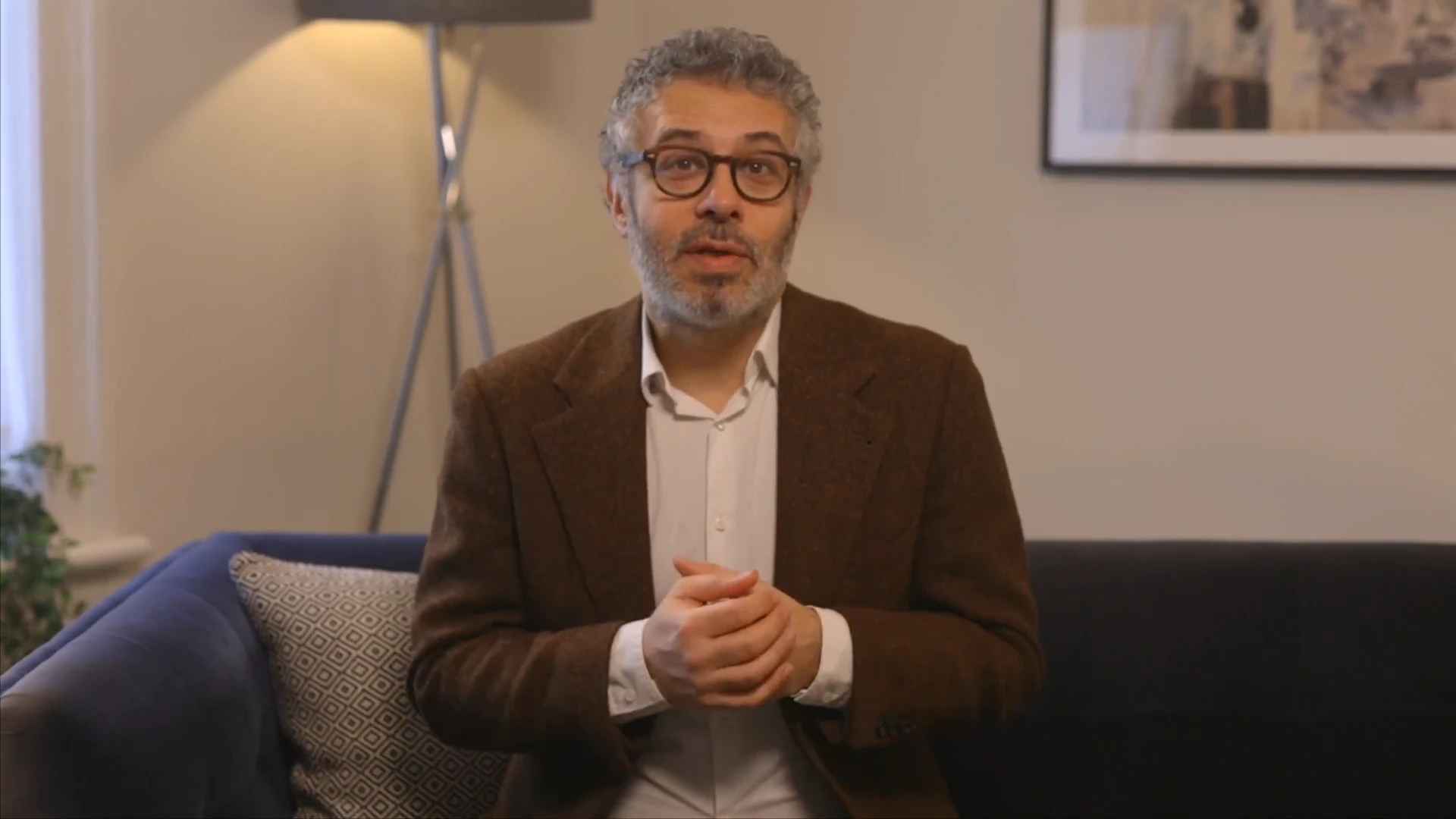
Dr Richard Shaffer
30 min
Theralife Clinics currently accepts self-pay patients only, so all consultations and treatment are paid for directly. Dr Shaffer charges the following consultation fees:
If you see Dr Shaffer at Theralife Clinics, planning and radiotherapy treatment will normally both take place at this location.
Our team aims to respond within one working day.
Sorry, that did not send. Please call 07584 532397 or email info@dupuytrensuk.com.
Thank you. Dr Shaffer's team will be in touch shortly.