Understanding Chronic Tendonitis and When to Seek Help
Most tendon pain settles with time and loading. Here is how to tell when persistent pain deserves a specialist opinion.
In this article
Tendon pain is common, and for many people it settles with time and sensible activity. When it hangs on for months, the usual advice can start to feel unhelpful. This article explains why rest alone often isn't enough, what does help, and when it's worth seeing a specialist.
Why Rest Often isn't the Answer
Stopping the activity that aggravates a painful tendon makes sense in the short term. Complete rest over a long period is different. Tendons adapt to the load placed on them, so less load over time tends to leave a tendon less able to cope with everyday demands. Symptoms often return as soon as normal activity resumes.
What Is Happening in a Tendon
Long-standing tendon pain, often called tendinopathy, is better understood as a change in the tendon's structure and capacity than as simple inflammation. The fibres can become disorganised, and the tendon may tolerate load less well than it should. For this reason, anti-inflammatory measures on their own rarely address the underlying problem.
What Helps: Gradual Loading
Exercise that increases the load on the tendon in small, controlled steps is the best-supported approach for most chronic tendon problems. The aim is to build capacity, not to push through pain.
- Start with gentle exercises that you can do without a sharp increase in pain, such as holds in a fixed position
- Progress to slow, controlled strengthening, such as lengthening (eccentric) or heavy, slow exercises
- Build back towards sport or work demands in stages
- Use pain as a guide: mild, settling discomfort is often acceptable, while sharp pain that lasts into the next day means the load should come down
Next steps
Thinking About Treatment for Tendonitis?
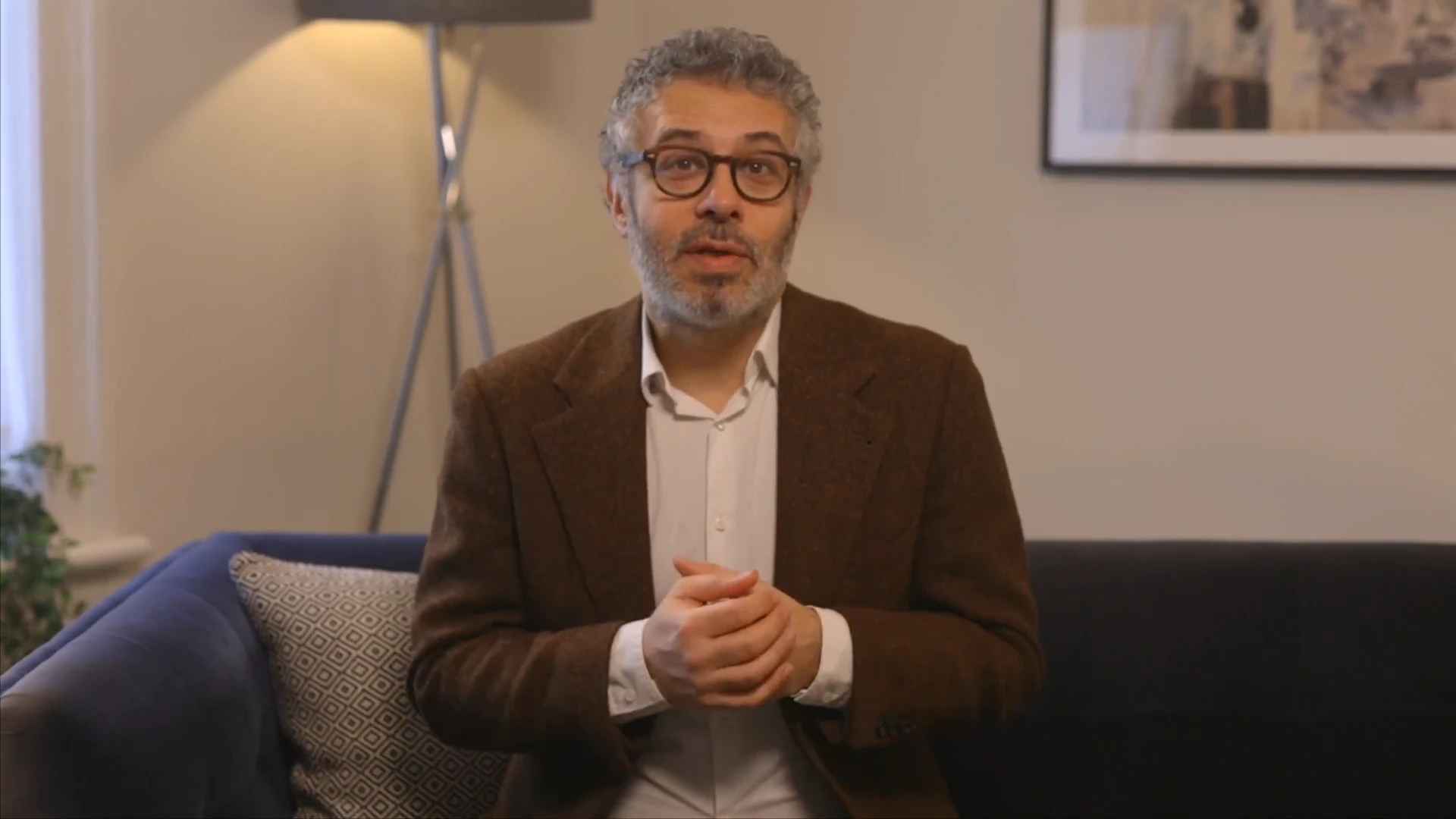
Dr Shaffer sees patients for assessment and, where suitable, low-dose radiotherapy.

Activity Changes That Help
Relative rest still has a place. Reducing the highest-load activity, such as running distance or jumping, while keeping other movement going usually works better than stopping altogether.
When to Seek a Specialist Opinion
Consider a specialist assessment if:
- Pain has lasted for several months despite a structured programme
- Pain is disturbing your sleep or everyday tasks
- Symptoms keep coming back or are getting worse
- You are unsure of the diagnosis, or other symptoms such as numbness or swelling are present
At assessment, a specialist can confirm the diagnosis, check for other causes, and discuss the options that remain open. Low-dose radiotherapy may be considered for some long-standing cases where standard care has not helped. Suitability is individual and is decided at assessment.
Frequently Asked Questions
How long should tendon pain last before I get it checked?
Many people improve over a few weeks to a few months with a sensible programme. If the pain has continued for several months despite consistent exercise and activity changes, it is worth arranging a specialist review.
Do I have to stop running or exercising completely?
Usually not. Reducing the activity that triggers your pain, and keeping other movement going, tends to work better than stopping altogether. A physiotherapist can help you find the right level.
Will anti-inflammatory tablets or injections fix it?
They can ease symptoms for some people, but they do not usually address the underlying change in the tendon on their own. Speak to your GP about what is suitable for you.
Is tendonitis the same as tendinopathy?
The two terms are often used interchangeably. Tendinopathy describes a problem with the tendon itself, and the clinician assessing you will explain the diagnosis and what it means for your treatment.
How do I arrange an assessment with Dr Shaffer?
You can contact the team through the enquiry form or book an appointment using the buttons on this page. The team can explain the routes to assessment, including whether a GP referral is needed.